When U.S. buyers source kitchen scissors or knives from China, the first concern is rarely price. It’s consistency. Batch-to-batch stability. Edge performance. Heat treatment reliability. Delivery predictability. This is where Hangzhou stands apart.
A Manufacturing Culture Built Around Blades
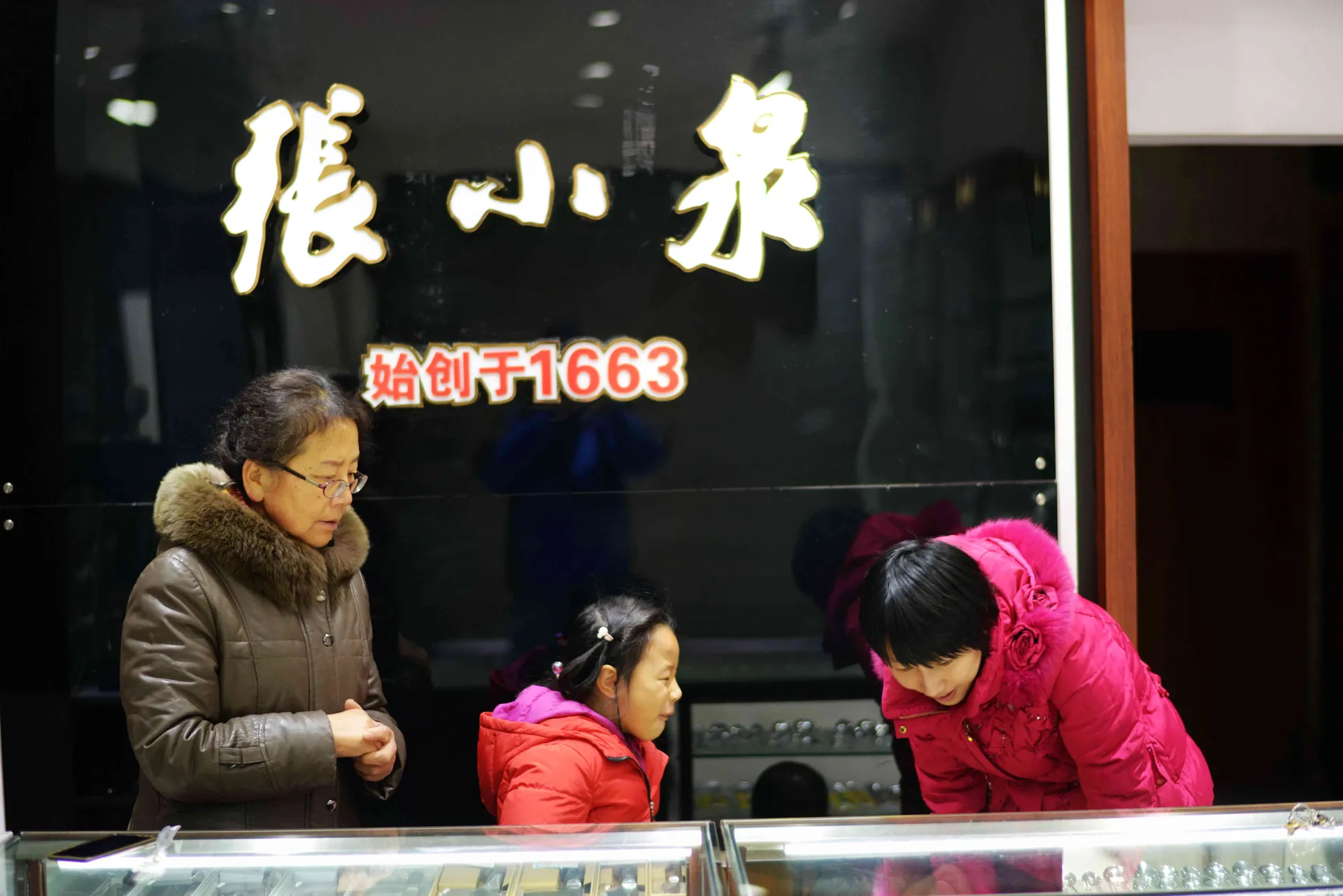
Hangzhou has been associated with cutting tools for centuries. The best-known historical name is Zhang Xiaoquan (张小泉), established in 1663. What matters to buyers today is not the age of the brand — it’s the manufacturing DNA that developed around it.
Unlike many regions that added scissors and knives as side categories, Hangzhou built its industrial base around blade products. That affects everything: edge geometry control, grinding techniques, hardness balancing, pivot durability, and surface finishing standards.
Factories here don’t treat kitchen shears as generic hardware. They treat them as precision cutting tools. For professional buyers, that difference shows up in product returns and warranty rates.
Supply Chain Density Reduces Risk
Hangzhou sits inside the Yangtze River Delta — one of the most mature industrial clusters in China. For importers, this means multiple stainless steel grade options within short lead times, fast mold revisions, nearby packaging suppliers, quick access to testing labs, and backup component sourcing if needed.
Proximity to Shanghai also keeps export logistics predictable. Container scheduling tends to be more stable compared to inland production zones. In a market where retailers expect tight replenishment windows, supply reliability often outweighs small cost differences.
Quality Control Is Process-Driven
Most established Hangzhou manufacturers operate under ISO-based quality systems. Many maintain BSCI audits and understand FDA or LFGB requirements for food-contact products. Inspection is typically built into the process: hardness testing after heat treatment, pivot stress testing, salt spray testing for corrosion resistance, and edge retention checks.
For U.S. importers supplying retail chains or foodservice distributors, documentation and traceability are no longer optional. Hangzhou suppliers are generally experienced in providing that level of compliance support.
Not the Lowest Cost — Often the Lower Total Cost
Hangzhou is not the cheapest region in China. Labor costs are higher than in some inland provinces. However, experienced buyers often evaluate suppliers based on total landed performance: fewer defects, less rework, lower return rates, better consistency across containers, and reduced post-sale claims. Over time, these factors tend to reduce overall risk exposure.
OEM and Custom Development
Many Hangzhou factories have long export histories and dedicated engineering teams. Typical capabilities include custom blade shapes, logo laser marking or stamping, private label packaging development, material upgrades (e.g., higher-grade stainless steel), and small pilot runs before scaling.
Final Perspective
If your sourcing strategy prioritizes long-term supplier stability, technical understanding of cutting tools, compliance readiness, predictable logistics, and controlled defect rates — Hangzhou remains one of the more reliable options in China’s kitchenware landscape. It may not always win on initial quote price. Over time, it tends to compete well on total cost of supply.
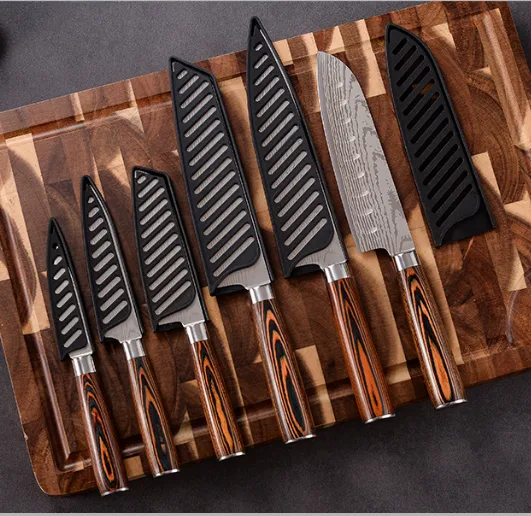
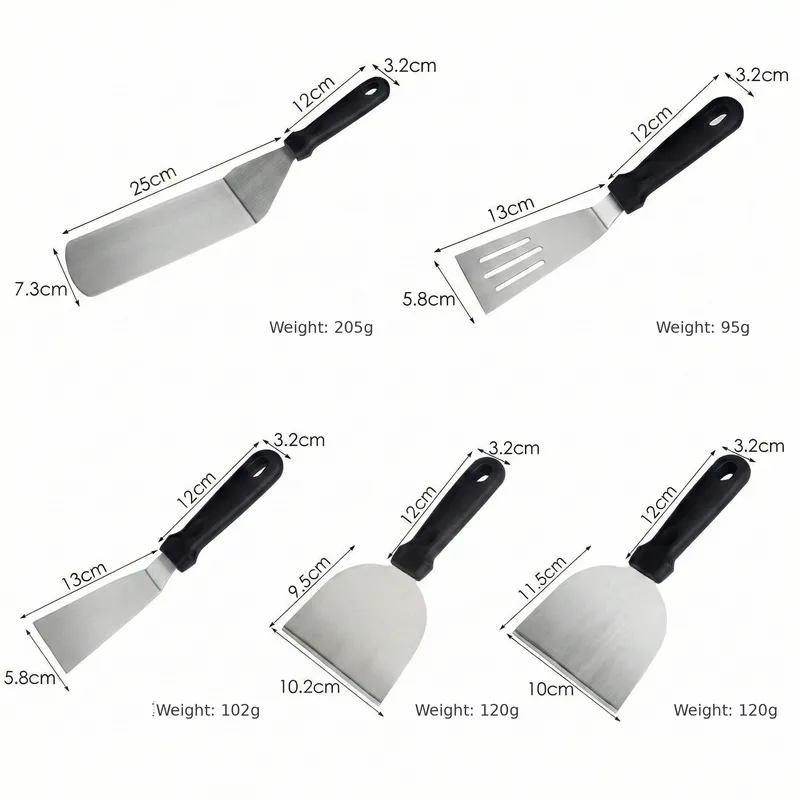
Products Mentioned in This Guide

Sourcing scissors, knives or kitchenware?
Tell us your product, quantity and branding needs — we reply within 24 hours. OEM/ODM, private label and sample orders available.