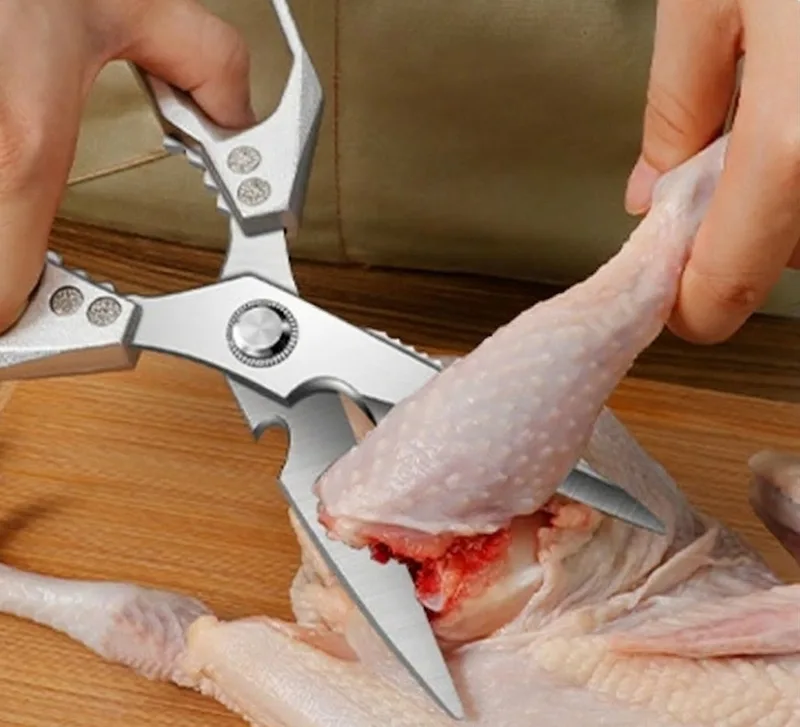
Sourcing kitchenware from China offers real advantages — manufacturing depth, material variety, competitive pricing at scale. It also has well-documented failure modes. Most of them are avoidable. The buyers who run into problems tend to make the same handful of mistakes.
Mistake 1: Choosing a Supplier Based on Price Alone
The lowest quote rarely delivers the best outcome. A factory that wins on price has usually cut something — material grade, quality control process, production time, or experienced labor. The true cost of a supplier becomes visible after the shipment arrives, not before.
The more useful evaluation framework: assess total cost of supply. This includes defect rates, rework costs, return rates, and the time your team spends managing quality issues. A supplier 10% more expensive on the quote may be significantly cheaper over 12 months.
Mistake 2: Skipping the Sample Stage
Production samples exist for a reason. They reveal whether the factory can actually execute your specifications — not just whether they claim to. Skipping samples to save time or cost is consistently the decision buyers regret most.
Request a minimum of three to five samples, not one. Single-unit samples hide production variation. Test them against your actual use case: cut performance for scissors, edge retention for knives, heat resistance for non-stick surfaces.
Mistake 3: Vague or Incomplete Specifications
Factories manufacture to the brief they receive. If your specification says “stainless steel blade” without specifying grade, the factory will use whatever grade fits their cost structure. If your specification says “good quality handle” without defining material and finish, the result will reflect their interpretation, not yours.
Effective specifications include: steel grade (e.g., 3Cr13, 5Cr15MoV), handle material, surface finish, dimensional tolerances, weight range, and certification requirements. The more specific your brief, the more accountable the supplier.
Mistake 4: No Pre-Shipment Inspection
Production quality and sample quality are not always the same. Factories may use different material batches, adjust processes under time pressure, or experience quality drift across a production run. Pre-shipment inspection is the mechanism for catching these gaps before the container ships.
For first orders with any supplier, pre-shipment inspection is non-negotiable. Arrange it through an independent inspection firm or your own team. The cost — typically a few hundred dollars — is trivial compared to the cost of a rejected shipment.
Mistake 5: Ignoring Certification Requirements
Market entry requirements vary. Kitchen tools sold in the US may need FDA compliance for food-contact materials. EU markets require LFGB (Germany) or CE certification for relevant categories. Discovering these requirements after production — when your product is already manufactured — is expensive.
Identify certification requirements before you brief the factory. Confirm the factory has existing certifications, or budget for testing if they don’t. This is particularly important for first-time buyers entering a new market.
The Common Thread
Each of these mistakes reflects the same underlying error: moving too fast through the early stages of supplier qualification. The buyers who source consistently well tend to slow down at the beginning — thorough specifications, careful sample evaluation, proper inspection — and move faster later, once supplier reliability is established.
Products Mentioned in This Guide
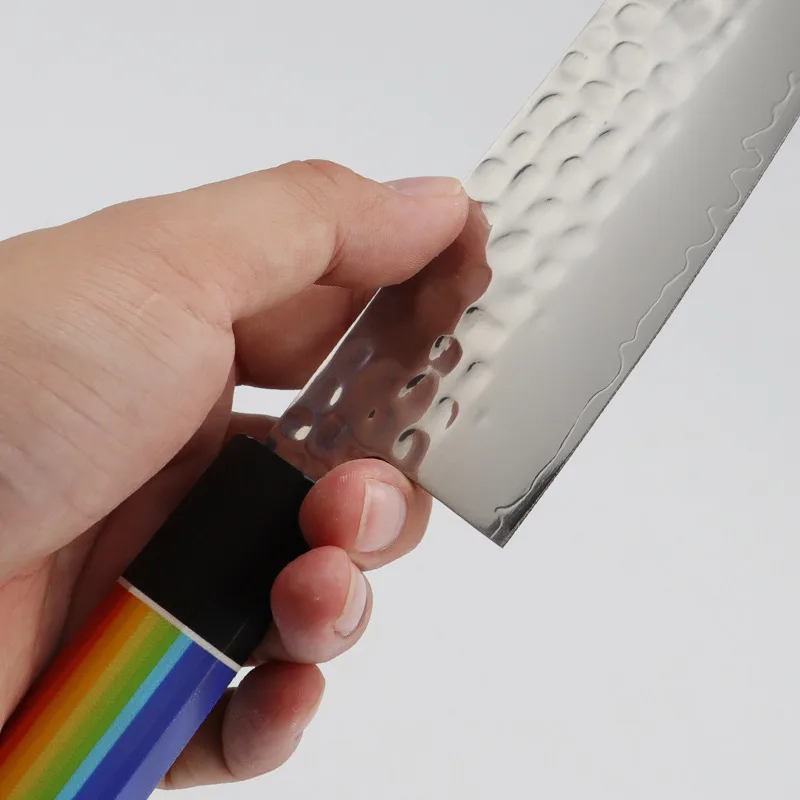
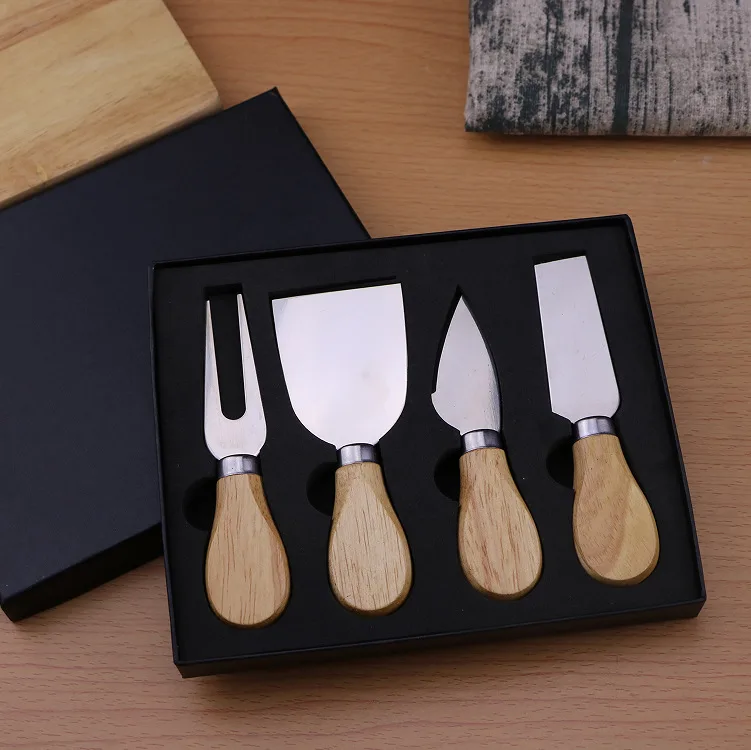
Sourcing scissors, knives or kitchenware?
Tell us your product, quantity and branding needs — we reply within 24 hours. OEM/ODM, private label and sample orders available.