You’ve found a factory in Hangzhou. Their products look solid. Now they ask: “Do you want OEM or ODM?” If you’re not sure what to say — you’re not alone. These two terms come up constantly in China sourcing, and they’re frequently confused or used interchangeably. They shouldn’t be. The model you choose affects your costs, your timeline, your IP rights, and your ability to differentiate in the market.
What OEM Actually Means
OEM stands for Original Equipment Manufacturer. In an OEM arrangement, you bring the design. The factory builds it. You provide the specifications: dimensions, materials, blade geometry, handle ergonomics, finish. The factory’s job is to execute your design at scale.
What ODM Actually Means
ODM stands for Original Design Manufacturer. Here, the factory already has the design. You select from their existing product range, apply your branding, and sell it under your name. The core product — the engineering, the tooling, the tested design — already exists.
The Five Differences That Actually Matter
1. Customization Depth
With OEM, every element is yours to define. With ODM, you work within the factory’s existing design — color, logo, packaging, minor modifications. If your brand’s value proposition is the product itself, ODM won’t get you there.
2. Intellectual Property
IP ownership depends on your contract, not the label. By default, Chinese suppliers consider they own all tooling and designs. With true OEM where you’ve paid for custom tooling, you can own the IP — but you need to specify this contractually. With ODM, the factory owns the design; you own your brand and packaging.
3. Cost and Upfront Investment
OEM involves higher initial investment — custom tooling for kitchen scissors or knives can run from a few thousand to tens of thousands of dollars. ODM eliminates most of this; your upfront cost is largely limited to sample review and initial MOQ.
4. Lead Time
For a new kitchenware product going through full OEM development, expect 3–6 months from brief to first production run. ODM is significantly faster — typically 30–60 days once you’ve confirmed the product and finalized artwork.
5. Minimum Order Quantity
For low volumes (500–1,000 units), ODM is typically more accessible. For larger volumes (2,000–5,000+ units), OEM becomes more viable as the tooling investment amortizes across the order.
A Third Option Worth Knowing
There’s a middle path: ODM with specification upgrades. You start with a factory’s existing design but negotiate upgrades to materials or components — a better steel grade, a different handle material, an upgraded spring mechanism. This approach works well for buyers who want product differentiation without the full cost and timeline of OEM development.
How to Decide
Most buyers starting out in kitchenware sourcing begin with ODM. It’s lower risk, faster, and requires less capital. As they validate demand and grow volume, they graduate to OEM — developing proprietary products that competitors can’t simply copy. Neither model is inherently superior. The right choice matches your current business stage.
Products Mentioned in This Guide
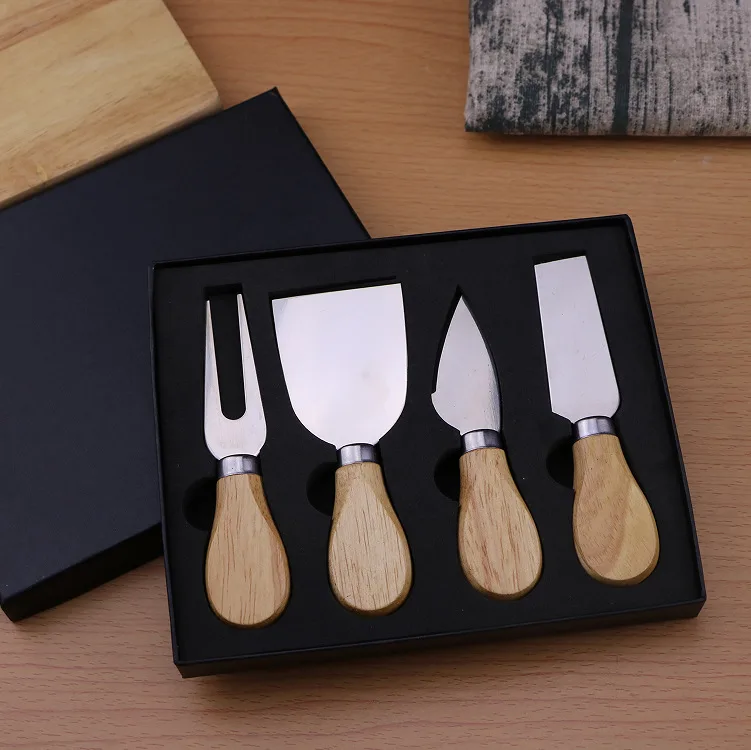
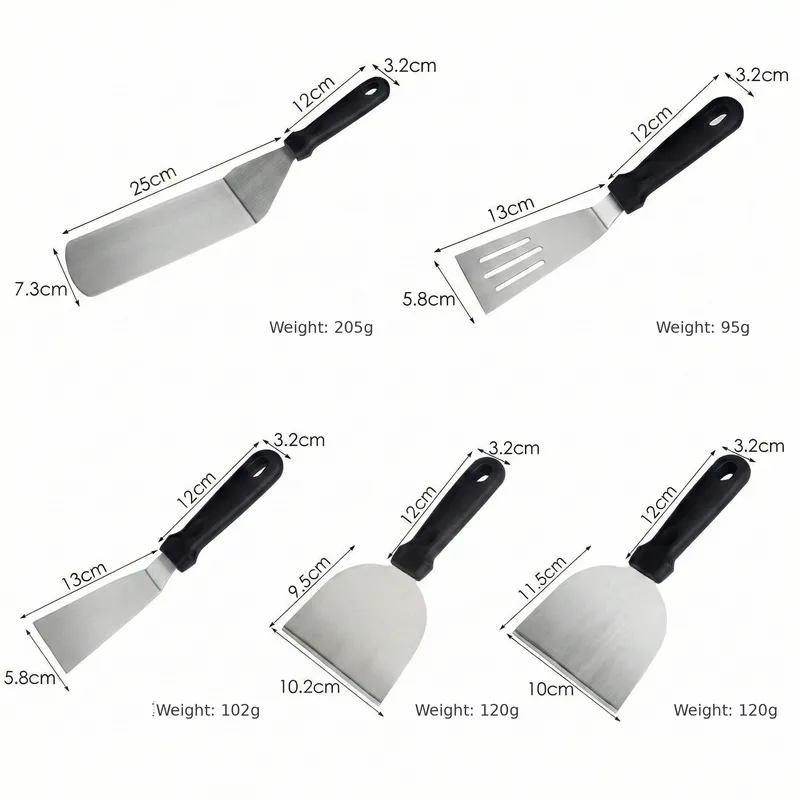
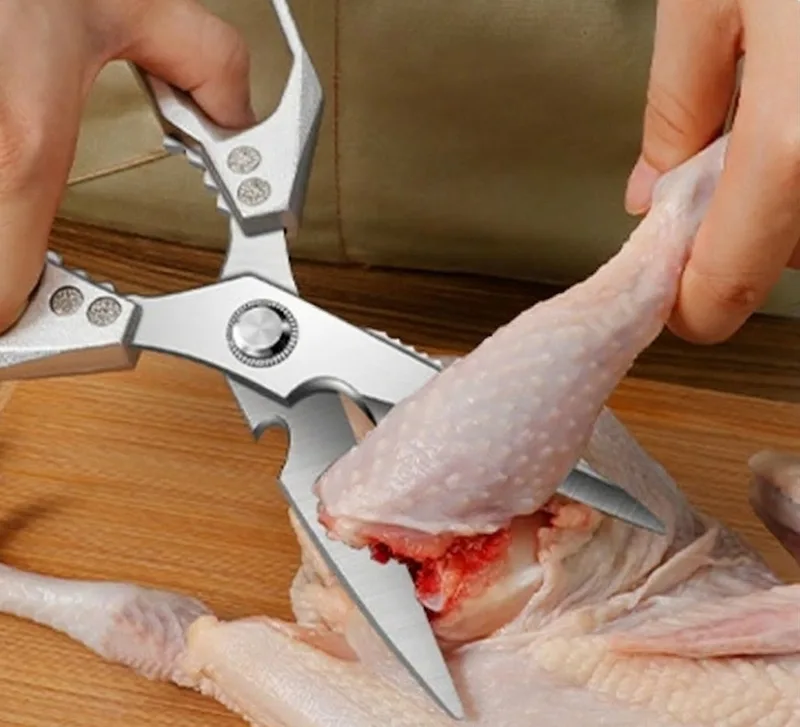
Sourcing scissors, knives or kitchenware?
Tell us your product, quantity and branding needs — we reply within 24 hours. OEM/ODM, private label and sample orders available.