Most quality problems don’t show up at the factory. They show up six weeks later, in a warehouse on the other side of the world — after the shipment has cleared customs and the payment has settled. The buyers who avoid these situations follow a consistent evaluation process before committing to bulk production.
Step 1: Define Your Quality Standard First
Quality is only measurable if it’s defined. Before you request samples or quotes, document: material specifications (steel grade, handle material, surface finish), functional requirements, dimensional tolerances, and certification requirements (FDA, LFGB, CE). The more specific your brief, the more accountable the factory is.
Step 2: Evaluate the Supplier Before the Product
Request the supplier’s business license and factory registration. Look for quality certifications such as ISO 9001, SGS, or FDA approvals. Assess responsiveness and communication quality. A supplier who takes five days to answer basic questions signals something about how they’ll handle problems mid-production.
Step 3: Request Samples — and Test Them Properly
Request three to five units minimum. For scissors: test blade alignment, cut through paper, cardboard, and poultry bone. Check spring tension and pivot smoothness. For knives: check edge geometry, test sharpness, assess balance. Look for grinding marks, burrs, gaps between handle components, or coating inconsistencies.
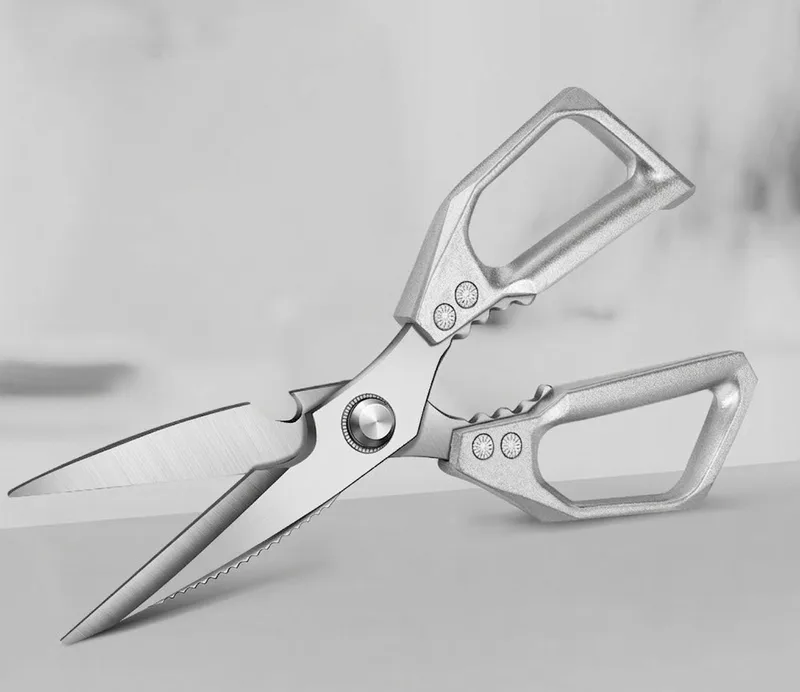
Checking blade alignment and construction quality
Step 4: Conduct a Factory Audit
Assess production equipment, quality control processes, raw material sourcing, and workforce stability. If you can’t visit in person, a video audit covers most of the same ground. Alternatively, arrange a third-party audit through an inspection firm — standard practice for serious B2B buyers.
Step 5: Specify Quality Requirements in Your Purchase Order
Your purchase order should reference your approved sample, spec sheet, and acceptance criteria. Specify AQL levels: AQL 1.0 for critical defects (safety-related), AQL 2.5 for major defects (functional failures), AQL 4.0 for minor defects (cosmetic issues). Without this in writing, you have no formal basis for rejecting a shipment.
Step 6: Pre-Shipment Inspection
The pre-shipment inspection happens after production is complete but before goods leave the factory. It covers random sampling, dimensional checks, functional testing, visual inspection, packaging review, and carton labeling. For first-time orders with a new supplier, pre-shipment inspection is non-negotiable.
Before You Place That Order
Before committing to bulk production, confirm that you have: written product specifications, supplier verification, sample evaluation (minimum 3–5 units), factory audit, a purchase order with quality terms and AQL criteria, and pre-shipment inspection arranged. If any of these steps are missing, you’re carrying a risk you haven’t priced in.
Products Mentioned in This Guide
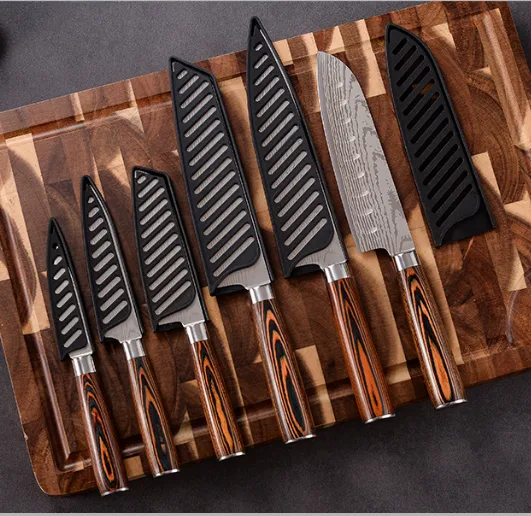
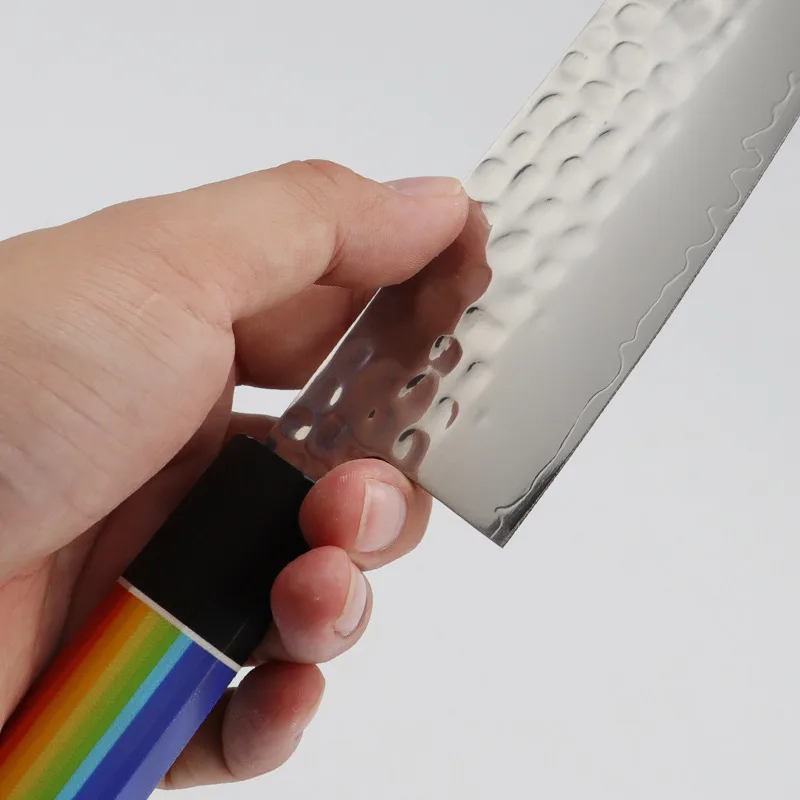
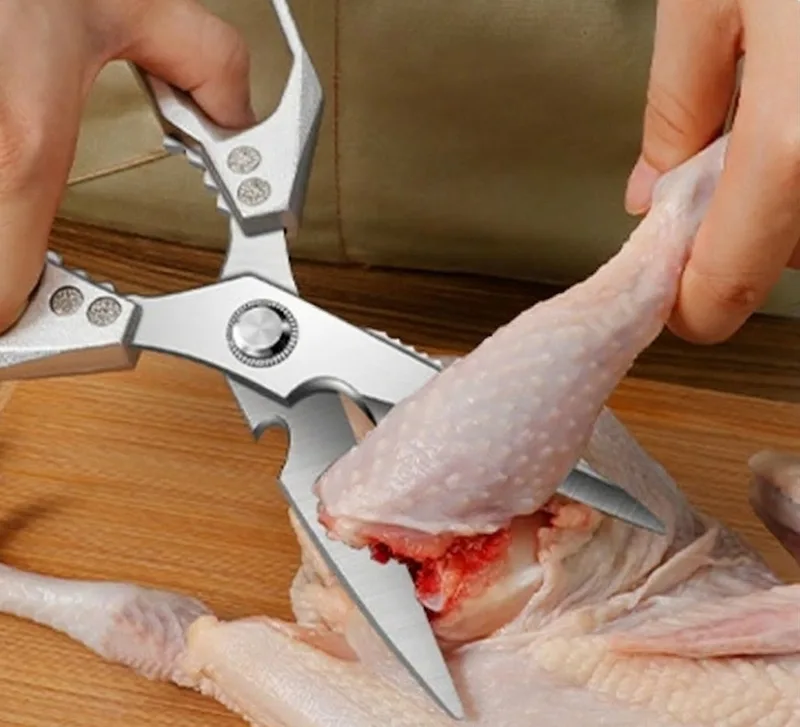
Sourcing scissors, knives or kitchenware?
Tell us your product, quantity and branding needs — we reply within 24 hours. OEM/ODM, private label and sample orders available.